This year at AI Sense, I had the opportunity to work on my team’s project, PoseGuard, which began with a deceptively simple question: how can a farm keep track of who enters and leaves without recording video or sending sensitive data to the cloud?
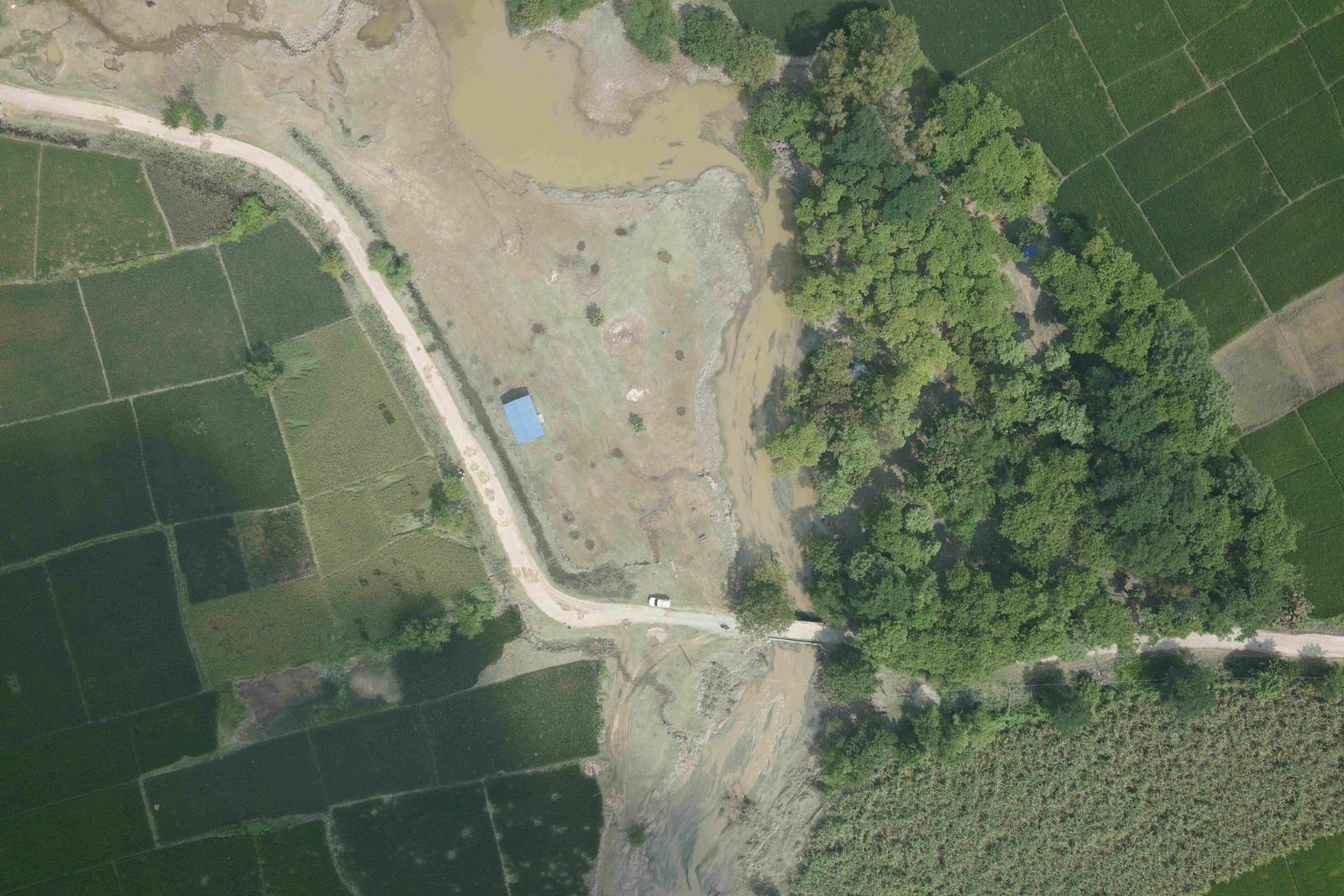
In a farm, such as those at our local farms in Maryland, most movement is expected during the day, so when someone approaches a gate after hours, the farm needs to know whether it’s a worker finishing a shift, an animal passing through, or a person attempting to sneak in.
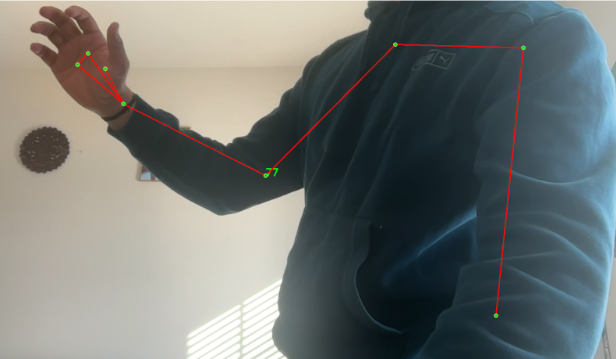
PoseGuard was built for exactly this situation, using a privacy-first approach that focuses on how people move rather than who they are. Instead of storing video, the system watches entry points and reduces human motion to anonymous skeletal stick-figure data, allowing it to flag unusual behavior while keeping identities completely private.
Designed to run directly on small, low-power devices like a Raspberry Pi as well as in areas with unreliable internet, PoseGuard had to be efficient, resilient, and compliant with privacy standards like GDPR from the ground up.
Working on the project pushed us to rethink how pose estimation could function outside of ideal lab conditions, forcing us to simplify models and rethink how often data is processed so the system remains fast and reliable.
In practice, this means the system can recognize actions like crouching behind equipment or climbing over a fence, log only the essential movement information, and send an alert without ever capturing a face or saving footage.
One of the biggest challenges wasn’t writing code, but translating human intuition into logic and teaching a system how to understand what “suspicious” looks like when all it sees are moving joints and angles.
Today, PoseGuard reliably does just that, and farmers trust it because it protects their land without compromising the privacy of the people who work there.
As the project continues, we’re exploring ways to expand its reach through alternative alert systems and broader industrial use, but its core idea remains the same: security doesn’t have to come at the cost of privacy, and thoughtful AI can quietly protect real-world spaces while staying out of sight.

Farm security cameras are increasingly used to monitor entrances and detect intruders. While these systems improve safety, they also...
Read More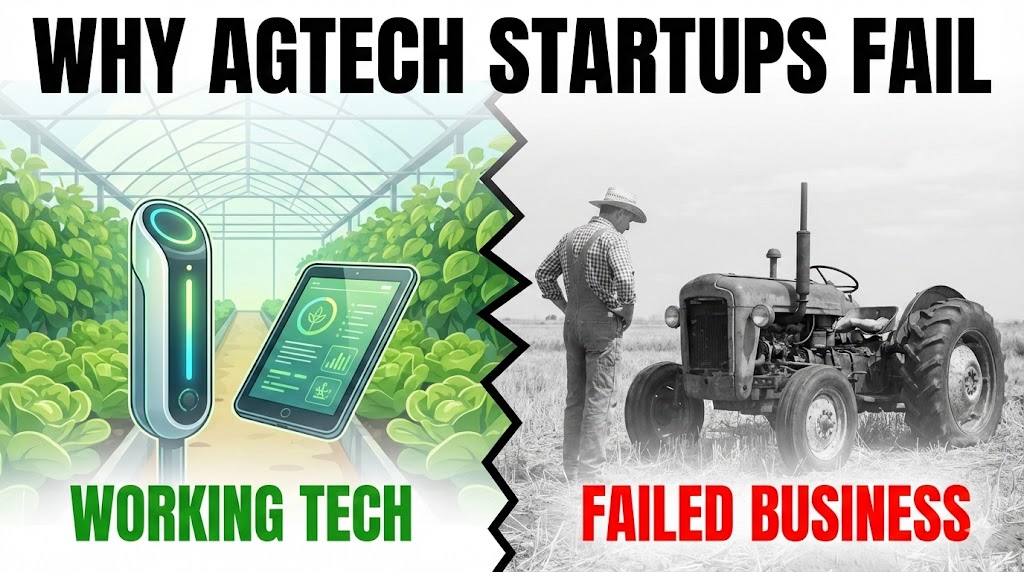
Why Many AgTech Startups Fail… Even With Working Products ? Despite having functioning products, a lot of agricultural technology startups...
Read More
AI is reshaping the way we grow, harvest, and distribute food. From AI-driven supply chain management... AI is reshaping the...
Read More